
Looking to save money on your car payments? Refinancing your car loan could be the smart move you need right now.
By securing better refinance car loan rates, you can lower your monthly payments, reduce your interest costs, and even pay off your loan faster. But how do you know if refinancing is right for you, and where can you find the best rates?
Keep reading to discover simple tips and insider advice that will help you make the most of your car loan refinancing options. Your wallet will thank you!
Current Refinance Rates
The average national refinance car loan rate is about 5.2%. Rates depend greatly on your credit score. Borrowers with excellent credit (750+) may get rates near 3.5%. Those with good credit (700-749) often see rates around 5%. Borrowers with fair credit (650-699) usually face rates near 7%. Poor credit scores (below 650) may have rates over 10%.
| Credit Score | Average Refinance Rate |
|---|---|
| 750 and above (Excellent) | 3.5% |
| 700 – 749 (Good) | 5% |
| 650 – 699 (Fair) | 7% |
| Below 650 (Poor) | 10%+ |
Major lenders offer different rates. Navy Federal Credit Union offers low rates for members. PenFed Credit Union provides competitive refinancing options. Bank of America and Chase have flexible terms. GEICO Credit Union often has quick approval and simple processes.
Factors Affecting Rates
Credit score plays a big role in refinance car loan rates. Higher scores usually get lower interest rates. Lenders see good credit as less risky, so they offer better deals. Low scores may lead to higher rates or loan denial.
The loan term also affects rates. Shorter terms have higher monthly payments but lower total interest. Longer terms mean smaller payments but higher interest overall. Choosing the right term balances payment size and cost.
Vehicle age and condition matter too. Newer cars with good condition get better rates. Older or damaged vehicles carry more risk for lenders, which can increase the rate. Some lenders limit refinancing to cars under a certain age.
Benefits Of Refinancing
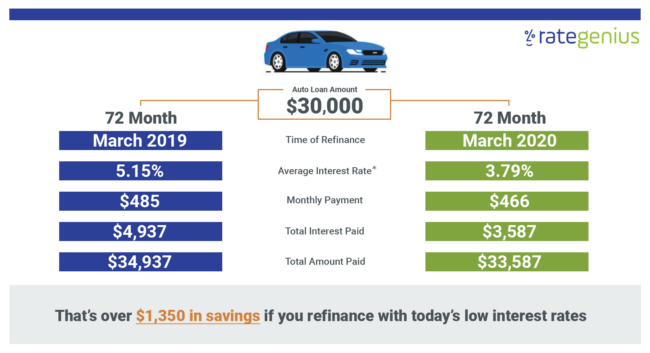
Lower monthly payments make it easier to manage your budget. Refinancing helps you get a better interest rate. This reduces the amount you pay each month. You can keep more money in your pocket.
Reduced interest costs save you money over the life of the loan. Paying less interest means paying off the loan faster. This can help you own your car sooner. Saving on interest frees up funds for other needs.
Improved loan terms give you more control. You might get a longer or shorter loan period. Choosing a term that fits your finances is important. Flexible terms mean the loan works better for you.
How To Qualify
Credit score is a key factor to qualify for refinancing. Most lenders want a score of at least 620. Higher scores get better rates and terms.
Income verification proves you can pay the new loan. Lenders ask for recent pay stubs, tax returns, or bank statements. Stable income means less risk.
Vehicle eligibility depends on the car’s age, make, and model. Many lenders limit refinancing to cars that are less than 10 years old or have fewer than 100,000 miles. The car must have a clear title without liens.
Best Lenders For Refinance
Credit Unions often offer the lowest refinance rates because they are member-focused and nonprofit. They provide flexible terms and usually have lower fees. Examples include Navy Federal and PenFed, known for their competitive rates and easy application processes.
Banks are a common choice and offer stable refinance options. They usually require a good credit score and may have stricter loan terms. Big banks like Bank of America and Chase provide fast approvals and many branches for in-person help.
Online Lenders provide quick quotes and simple applications. They often have competitive rates and allow for easy comparison. Communication Federal Credit Union and GEICO Credit Union offer online tools to estimate savings and monthly payments.
Using Refinance Calculators
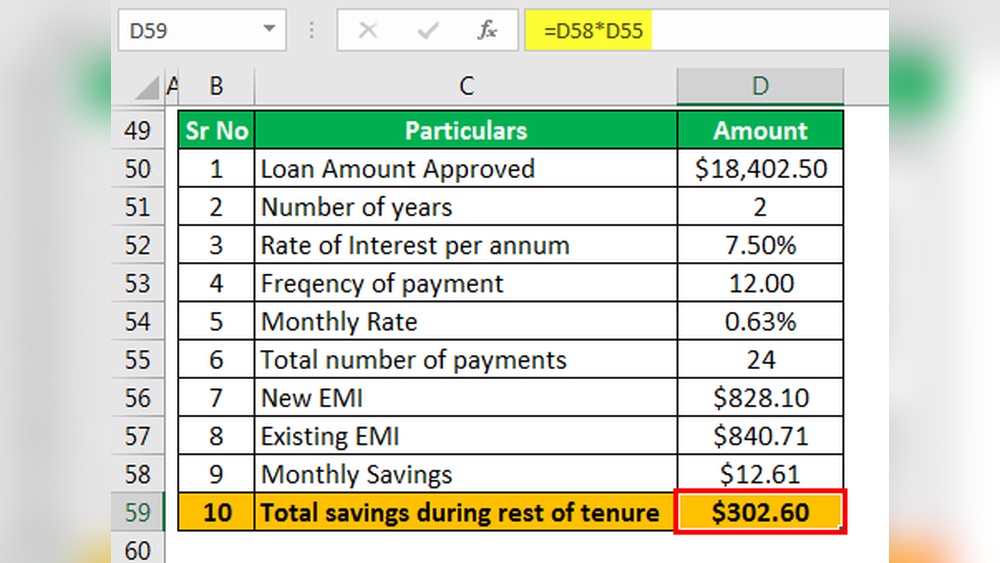
Refinance calculators help estimate potential savings by comparing your current loan to new offers. Enter your loan balance, interest rate, and term length to see a clear picture.
These tools show monthly payment differences. Lower payments mean more money stays in your pocket. You can also check how changing the loan term affects payments.
Understanding fees is key. Some loans have hidden costs like application or early payoff fees. Calculators often include these to give a true savings estimate.
Tips To Lower Your Rate
Improving your credit score can lead to better refinance car loan rates. Pay bills on time and reduce debt to boost your score.
Shortening the loan term lowers interest paid overall. A shorter term may mean higher payments but saves money in the long run.
Shopping multiple offers helps find the best rate. Compare lenders to get the most affordable deal for your needs.

Common Pitfalls To Avoid
Hidden fees can increase your loan cost unexpectedly. Always ask for a full fee list before signing.
Longer loan terms may lower monthly payments but increase total interest paid. Shorter terms save money overall.
Focus on the total cost of refinancing, not just monthly payments. This includes fees and interest over time.
Special Cases
Refinancing with bad credit can be tough. Lenders may charge higher rates or deny loans. Some credit unions and specialized lenders offer options for those with low credit scores. A larger down payment or co-signer can help improve approval chances.
Refinancing leased vehicles is possible but less common. Some lenders do not refinance leases. You must check lease terms carefully. Refinancing may affect your lease agreement or fees.
Refinancing high mileage cars depends on the car’s age and condition. Some lenders have mileage limits. A well-maintained car with high mileage might still get refinancing but could have higher interest rates.

Frequently Asked Questions
What Are The Current Refinance Rates For Cars?
Current car refinance rates typically range from 3% to 7% APR, depending on credit score and lender. Rates vary by location and loan term. Check with local credit unions and banks for personalized offers. Use online calculators to compare and find the best rate for your situation.
What Is The 2% Rule For Refinancing?
The 2% rule for refinancing means your new loan’s interest rate should be at least 2% lower than your current rate. This ensures meaningful savings on payments and interest over time.
How Much Would A $30,000 Car Payment Be A Month?
A $30,000 car loan payment depends on interest rate and loan term. For 5 years at 5%, expect about $566 monthly.
How Much Is $40,000 Car Payment For 60 Months?
A $40,000 car loan over 60 months typically costs about $750 per month, assuming a 5% interest rate. Rates vary by lender.
Conclusion
Refinancing your car loan can save you money and reduce monthly payments. Check current rates from different lenders before deciding. Lower rates mean more savings over time. Consider your loan term and fees to find the best deal. Taking time to compare options helps you make smart choices.
A better rate can improve your financial situation. Keep track of your credit score as it affects loan offers. Stay informed and choose wisely for a smoother refinance experience.
Read More
- Auto Repair Financing Options: Smart Solutions for Every Budget
- Bad Credit Auto Loans Online: Easy Approval Tips for Fast Financing
- Certified Pre Owned Car Financing: Unlock Smart Savings Today
- Cheap Full Coverage Car Insurance: Save Big with Top Tips
- Best Auto Loan Rates: Unlock Amazing Deals Today
- Car Lease Deals near Me: Unbeatable Offers You Can’t Miss
- Commercial Auto Insurance Quote: Save Big with Expert Tips Today
- Vehicle Service Contract Companies: Top Picks for Ultimate Protection
- Best Car Insurance Quotes Online: Save Big with Top Deals Today
- Compare Auto Insurance Rates: Save Big with Top Tips Today