

Buying your first car is exciting, but figuring out how to finance it can feel overwhelming. You might wonder if your credit score is good enough or how to find the best loan that fits your budget.
Don’t worry—you’re not alone, and there are simple ways to make auto financing work for you, even as a first-time buyer. This guide will walk you through everything you need to know to secure a great deal and drive away with confidence.
Keep reading to discover how to turn your car dreams into reality without the stress.
Credit Scores And Auto Loans
Minimum credit scores for auto loans usually start around 620. Scores below this may get higher interest rates or need a co-signer. Some lenders accept scores as low as 500, but terms might be less favorable.
Improving credit before applying can help get better loan offers. Paying bills on time and lowering credit card balances are good steps. Avoid opening new credit accounts shortly before applying. Checking your credit report for errors can also boost your score.
| Credit Score Range | Interest Rate Impact |
|---|---|
| 720 and above | Lowest interest rates |
| 620 – 719 | Moderate interest rates |
| Below 620 | Higher interest rates, stricter terms |
Better credit means lower monthly payments and less total interest. Lenders see higher scores as less risky. This can lead to easier loan approval and more options.

First-time Buyer Loan Programs
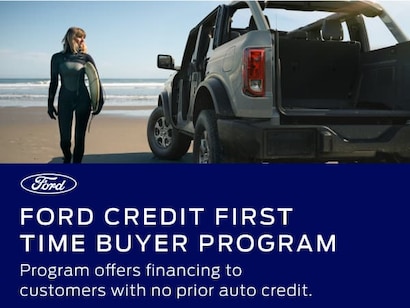
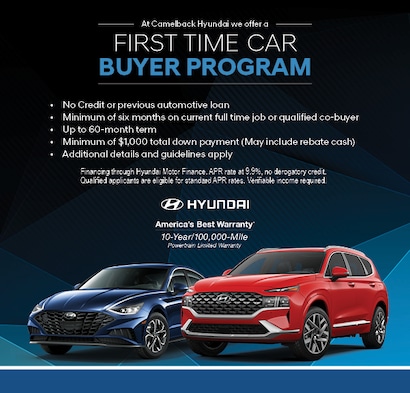
Special loan programs help first-time buyers get better deals. These programs often offer lower interest rates and smaller down payments. They make car buying easier and less expensive.
In Austin, popular options include AutoNation Toyota South Austin, Vanguard Volkswagen, and Education First Federal Credit Union. These places provide tailored financing plans for new buyers with no credit history.
| Program | Benefit | Eligibility |
|---|---|---|
| AutoNation Toyota South Austin | Easy online application, trade-in options | First-time buyers, no credit needed |
| Vanguard Volkswagen | Help with no credit history | New buyers without automotive credit |
| Education First Federal Credit Union | Special low rates and plans | Members and local residents |
To qualify, buyers usually need to show proof of income, valid ID, and sometimes a minimum credit score. These rules vary by lender.
Choosing The Right Vehicle
Choosing the right vehicle means deciding between new and used cars. New cars come with the latest features and full warranties. They may cost more but often need less repair early on. Used cars are cheaper but might need more maintenance. Checking the vehicle’s history is important to avoid surprises.
Budgeting for your purchase involves more than just the price tag. Consider how much you can pay monthly without stress. Include loan interest rates and any down payment needed. It helps to get pre-approved for a loan before shopping.
| Cost Type | Details |
|---|---|
| Purchase Price | The amount to buy the car |
| Insurance | Required for legal driving, varies by car |
| Fuel | Ongoing cost based on use |
| Maintenance & Repairs | More for used cars, less for new |
| Taxes & Fees | Varies by state and local rules |
Knowing the total cost of ownership helps make a smart choice. It keeps your budget safe from surprises.
Financing Options
Dealership financing lets buyers get a loan directly at the car lot. Approval is fast, often the same day. Interest rates may be higher than other options. Dealers sometimes offer special deals for first-timers.
Credit unions and banks provide loans with lower interest rates. Credit unions often have better terms but require membership. Banks are easy to access and offer fixed or variable rates. Both check your credit score.
Online lenders allow quick loan prequalification without hurting credit scores. Many offer competitive rates and easy applications. Comparing multiple lenders online helps find the best deal before visiting a dealer.
Down Payments And Trade-ins
How Much to Put Down depends on your budget and loan terms. A down payment of at least 10-20% of the car price helps lower monthly payments. Putting more money down means you owe less and pay less interest. Even a small down payment can help start your loan.
Using Trade-Ins to Lower Costs lets you reduce the amount you need to borrow. The dealer values your old car and applies that amount toward your new car. This can lower your down payment or even cover it fully. Make sure to know your trade-in’s worth before visiting.
No Down Payment Options are available but usually mean higher monthly payments and interest rates. Some lenders offer zero down loans for buyers with good credit. Always read the fine print and be ready for higher costs over time.
Loan Terms And Interest Rates
Choosing the right loan duration affects monthly payments and total cost. Shorter loans have higher payments but less interest overall. Longer loans reduce monthly costs but increase total interest paid.
Deciding between fixed and variable interest rates is important. Fixed rates stay the same during the loan, making payments predictable. Variable rates can change, sometimes lowering payments but also risking higher costs.
Negotiating better loan terms can save money. Ask about lower interest rates, waived fees, or flexible payment options. Shop around and compare offers before deciding.
Documentation And Application Process
To apply for auto financing, prepare these required documents: a valid photo ID, proof of income such as pay stubs, residence proof like utility bills, and your social security number. Some lenders may also ask for credit history or bank statements.
Applying online is often faster and more convenient. It lets you fill forms anytime and upload documents digitally. In-person applications allow you to ask questions directly and get help immediately.
To speed up approval, gather all documents before applying. Double-check forms for accuracy. Keep your phone nearby to answer lender calls quickly. Responding fast can help move the process along smoothly.
Common Mistakes To Avoid
Overextending your budget can cause serious financial stress. Many first-time buyers choose cars that cost more than they can afford. This leads to high monthly payments and trouble paying bills.
Ignoring the fine print means missing important loan details. Always read all terms before signing. Look for extra fees, interest rates, and payment deadlines. These details affect your total cost.
Skipping pre-approval can make car buying harder. Getting pre-approved shows how much you can borrow. It helps you shop within your price range and negotiate better deals.
Local Resources For Austin Buyers
Austin has many options for first-time car buyers. Local dealerships like AutoNation Toyota South Austin and Vanguard Volkswagen offer programs tailored for buyers without credit history. These programs often include low down payments and flexible financing terms.
Credit unions such as Austin Telco Federal Credit Union and Education First Federal Credit Union provide low-interest auto loans. They usually have better rates than banks and more personalized service. Joining a credit union can be easier for new buyers.
Community groups and workshops offer free advice on budgeting and loan applications. These events teach how to read loan terms and improve credit scores. They are useful for buyers wanting to make smart choices without stress.
Frequently Asked Questions
Can You Finance A Car As A First-time Buyer?
Yes, first-time buyers can finance a car through special programs with flexible credit requirements and competitive rates.
What Is The $3000 Rule For Cars?
The $3000 rule for cars suggests buying vehicles priced under $3,000 to avoid high depreciation and repair costs.
What Should A $30,000 Car Payment Be?
A $30,000 car payment typically ranges from $450 to $600 monthly. It depends on loan term, interest rate, and credit score.
What Credit Score Do You Need For A First-time Car Buyer?
First-time car buyers typically need a credit score of at least 620 for better financing options. Scores below 620 may still qualify but face higher rates. Some lenders offer programs for buyers with no credit history or lower scores to help secure a loan.
Conclusion
Auto financing makes buying your first car easier than you think. Start by checking your credit and setting a realistic budget. Compare loan options from banks, credit unions, and dealers. Understanding terms helps avoid surprises later. Take time to read all details carefully before signing.
Owning a car brings freedom and new opportunities. Stay patient and plan well to find the best deal. Your first auto loan is a step toward financial growth and independence.
Read More
- Auto Repair Financing Options: Smart Solutions for Every Budget
- Bad Credit Auto Loans Online: Easy Approval Tips for Fast Financing
- Certified Pre Owned Car Financing: Unlock Smart Savings Today
- Cheap Full Coverage Car Insurance: Save Big with Top Tips
- Best Auto Loan Rates: Unlock Amazing Deals Today
- Car Lease Deals near Me: Unbeatable Offers You Can’t Miss
- Commercial Auto Insurance Quote: Save Big with Expert Tips Today
- Vehicle Service Contract Companies: Top Picks for Ultimate Protection
- Best Car Insurance Quotes Online: Save Big with Top Deals Today
- Refinance Car Loan Rates: Unlock Lower Payments Today